
 1-888-828-7868
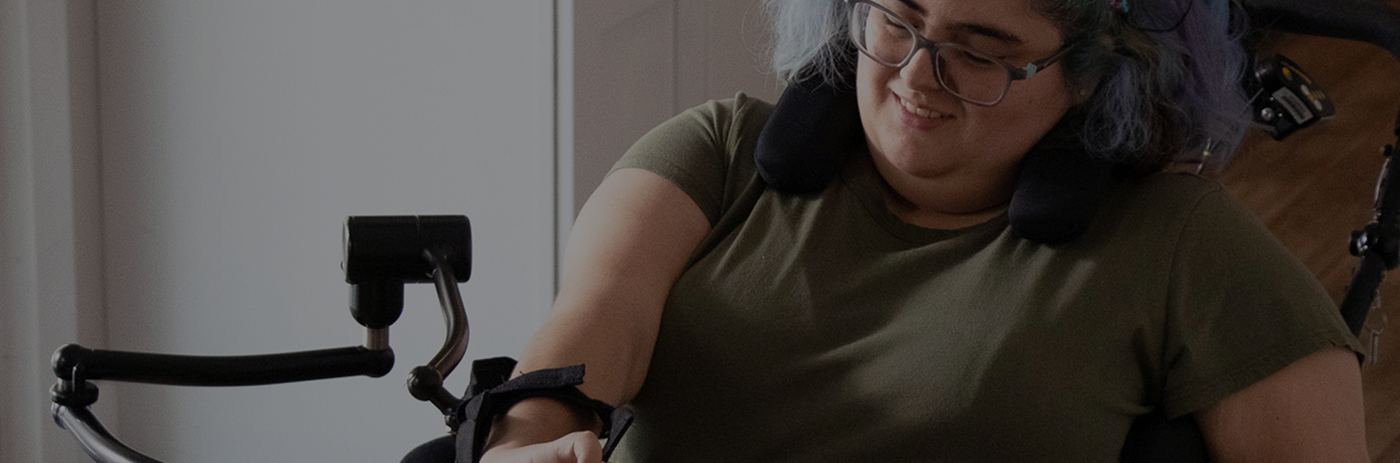
Rheumatoid Arthritis Assistive Devices: Aids for Everyday Independence
Rheumatoid arthritis assistive devices help people protect painful joints and stay independent in everyday tasks. This page walks you through the main categories, from dressing and kitchen aids to adaptive utensils, and invites you to explore an adaptive eating device.
Explore adaptive eating aids.png)
Dressing and clothing aids for rheumatoid arthritis
Dressing aids ease tasks when grip and finger dexterity are limited. Button hooks and zipper pulls replace fine pinching with a whole-hand grip. Sock aids, dressing sticks and long-handled shoehorns reduce reach and bending. Velcro or elastic fasteners can stand in for laces and buttons. These aids protect small finger joints and reduce strain, though needs vary from person to person. Choose one aid at a time, starting with the daily dressing task that causes the most pain or fatigue.
Kitchen and mealtime aids for arthritic hands
Kitchen aids reduce grip force and joint stress during meal prep. Jar and bottle openers and easy-open lids cut the force needed to open packaging. Lightweight cookware and food processors lower the load on wrists and fingers. Built-up, non-slip, cushioned handles make everyday rheumatoid arthritis hand tools easier to hold and help protect joints. Try one tool at a time, starting with the task that causes the most pain, to see which changes help most. Keep the ones that help.
.png)
Bathroom and home safety equipment for arthritis
Home safety equipment for arthritis lowers fall risk and eases painful movements. Grab bars, raised toilet seats and bath or shower seats reduce strain when sitting and standing, while lever taps and door handles replace twisting motions that aggravate wrists and fingers. A clinician can advise on safe placement and fit, which matters as much as the equipment itself. Reviewing the whole room, rather than a single item, helps the equipment work well together. Clear floors and good lighting help.
Adaptive Utensils And Self-Feeding Aids
Built-up, angled, and weighted cutlery can keep eating manageable when grip weakens, and adaptive utensils for arthritis spread the load across the whole hand. When more help is needed, the Neater Eater assistive device, a manual self-feeding device, is designed for conditions including rheumatoid arthritis. A tremor-stabilizing spoon is another adaptive option for mealtimes. Together, these support independence and dignity without replacing medical care. A therapist can show how to position a utensil and plate so meals stay more comfortable.
.png)
Powered and assisted eating technology for advanced needs
When hand and arm function is very limited, assisted self-feeding technology can go further than adaptive utensils. Powered and spring-assisted options use damped, adjustable movement and simple controls, such as a switch, suited to reduced strength, and robotic self-feeding systems extend this further. Pisces Innovation distributes assisted and robotic self-feeding devices, and specifications are available on request. You can also browse our wider range to compare devices, and our team can explain which options suit different levels of hand function.
Daily Living Aids For Rheumatoid Arthritis
Small lifestyle aids add up to meaningful energy conservation. Ergonomic seating, key turners, and hands-free book and phone holders reduce sustained joint loading at work and leisure. For desk tasks, mobile arm supports are another option, and a mobile arm support research summary explores what the evidence says. Daily living aids for rheumatoid arthritis work best when matched to the tasks that cost you the most energy, and pacing those tasks across the day helps spread the load on joints.
Choosing adaptive equipment with an occupational therapist
Needs change as rheumatoid arthritis fluctuates, so matching aids to current function matters. An occupational therapist assessment covers joint protection, energy conservation, and task priorities, keeping choices needs-led. Reviewing equipment again after a flare, or when your routines change, keeps the choices current and the aids useful. To discuss which adaptive equipment for rheumatoid arthritis suits your situation, contact our team. Bring examples of the daily tasks you struggle with, so the assessment reflects real routines rather than general advice.
Frequently Asked Questions
Coverage varies by plan, program and region, so check eligibility directly with your provider. Some daily living aids are self-funded, while others may qualify through disability or assistance programs. A clinician or funder can often advise on the documentation they need, such as an occupational therapist's assessment. Keeping receipts and notes about how each device helps can make applications and follow-up conversations easier. Ask early about deadlines, because some programs require approval before purchase.
Aids are available from pharmacies, mobility retailers, occupational therapy suppliers, and specialist online distributors. Match the device to the specific task and the severity of joint limitation before buying. Pisces Innovation supplies specialist self-feeding devices for people who need them. Ask about return options and whether a trial is possible, because comfort and fit are personal. An occupational therapist can also suggest which suppliers and devices suit your daily tasks.
Look for tools with large, cushioned, non-slip grips that spread load across the whole hand. Jar openers, key turners, built-up pens and easy-grip utensils are common choices. Lighter tools and lever mechanisms reduce the twisting and pinching that strain finger joints, so they suit rheumatoid arthritis hand tools well. Try tools in your own hand where possible, because handle thickness and weight affect comfort differently from person to person, and a return option is useful.
Yes, they can support joint protection. Well-chosen aids reduce repetitive strain and the high grip forces that can aggravate joints, and they support energy conservation and pacing across the day. They manage and ease daily tasks rather than treat the underlying condition. An occupational therapist can review the tasks that cause the most strain and suggest where aids, pacing and different ways of working will help most, saving energy and protecting joints.
Consider aids as soon as a task becomes painful, tiring or unsafe, not only in advanced stages. Early use can help protect joints and preserve independence. An occupational therapist review can time and match equipment to your current needs, which may change as symptoms fluctuate. Reviewing your equipment regularly means aids can be added, swapped or retired as your joints and routines change. Keep a note of what works so changes are easy to discuss.