
 1-888-828-7868
Adaptive Drinking Cups for Adults
Adaptive drinking cups help adults with tremor, weakness, or swallowing difficulties drink more safely and independently each day. This guide explains cup types, features, and safer options, and where to explore our assistive living products with expert guidance and support.
-Copy-2.png)
Types Of Adaptive Drinking Cups For Adults
Adaptive drinking cups for adults come in several categories, each solving a different problem. Two-handled and large-handle cups give a secure, shared grip. Weighted cups help steady the hand. Nosey cups, with a cut-out for the nose, protect the head and neck position. Spill-proof and straw cups suit limited coordination. Dysphagia cups are specialized drinking cups for swallowing needs. This is an overview of cup types, not a list of Pisces Innovation products. It helps you compare designs before choosing one.
Conditions And Needs These Cups Support
These cups support adults living with essential tremor, Parkinson's disease, stroke, arthritis, cerebral palsy, multiple sclerosis, or dysphagia. The common thread is reduced grip, tremor, or swallowing difficulty. People with disabilities and special needs use these cups at home and in care settings. Choosing well starts with the specific challenge, not the diagnosis label. For deeper reading, see our essential tremor management framework for occupational therapists. Each person's needs differ, so a trial with their input helps confirm the fit.
.png)
Features To Look For When Choosing
When choosing adaptive cups for drinking, fit the cup to the person, not the other way round. Look for a secure grip, with handles and textured surfaces, and stability from weighted or wide bases. Lids and spouts give controlled flow, while easy cleaning, including dishwasher-safe parts, keeps routines simple. Choose durable, food-safe materials for daily use. Daily use quickly shows which features hold up, so check cleaning and durability early. Try the handles and lids together before you choose one.
Dysphagia Cups And Safer Swallowing
Dysphagia cups are specialized drinking cups designed around safer swallowing. A cut-out (nosey) design lets the user keep the chin tucked toward the chest, a chin-tuck posture that may support safer swallowing. Regulated-flow versions limit how much liquid enters the mouth with each sip. A clinician should assess choking and aspiration risk and may also include thickened liquids in the plan. Caregivers should follow that guidance and confirm needs before choosing a cup. Review the choice regularly as needs change.
-Copy-1.png)
When A Cup Isn't Enough: Powered Drinking Devices
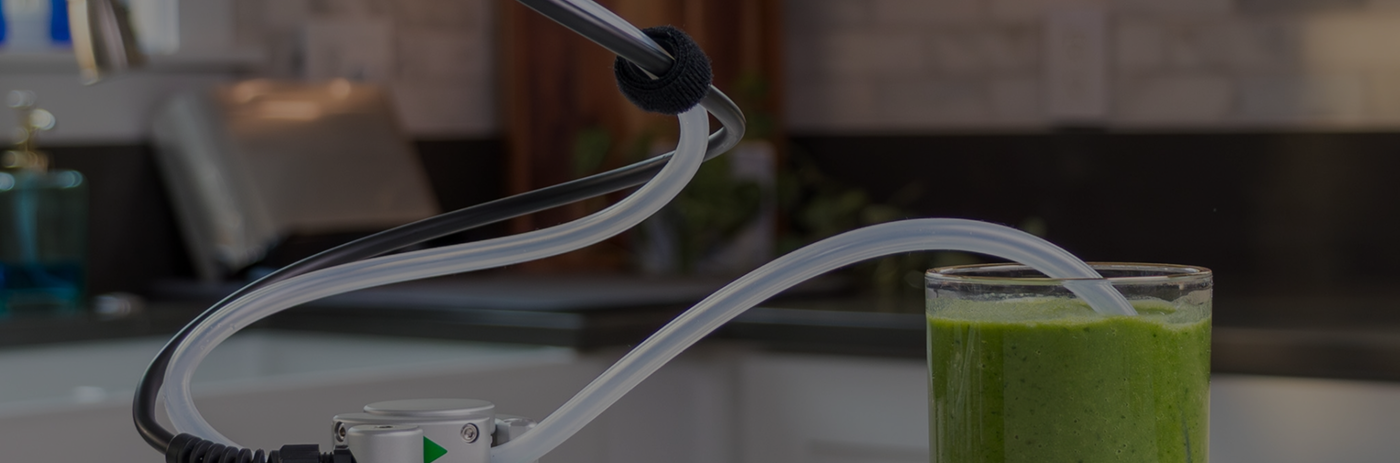
When hand or arm function is too limited for any cup, a powered option may help. Pisces Innovation is the exclusive authorized distributor of the Neater Powered Drinker, a switch-operated device with a peristaltic pump for controlled liquid delivery, giving a selectable amount of liquid per sip. It suits people with head control and the ability to swallow, including those living with ALS, spinal cord injury, post-CVA hemiparesis, TBI, or Parkinson's disease. For mealtimes, there is also the Neater Eater.
Adaptive Straws And Other Drinking Aids
Straws and holders are broader options to pair with cups for people with disabilities. Extra-long and flexible straws reduce the need to lift or lean toward a drink, and soft silicone straws add a safety benefit. Straw holders, cup holders and bottle holders keep drinks within reach for hands-free access. Explore our assistive products range for wider daily living support. Choose straws that are easy to clean and suit the person's grip, and check that holders sit securely in place.
How To Match A Drinking Aid To Individual Needs
An occupational therapist can match a drinking aid to the person, easing caregiver strain.
| Main challenge | Aid to consider |
|---|---|
| Grip | Handles, textured or weighted cups |
| Swallowing | Regulated-flow cups |
| Positioning | Nosey cups, long straws, holders |
If no cup works, the Neater Powered Drinker may help, and the Neater Eater assistive eating device may help at mealtimes. Our team can discuss options that protect dignity, from adaptive drinking cups for adults to drinking cups for disabled adults and other aids.
Frequently Asked Questions
Adaptive drinking cups are cups redesigned to be easier to pick up, hold, and drink from, with less spilling or strain. Common adaptations include handles, textured grips, weighted bases, lids, spouts, and controlled-flow designs. They help adults with tremor, weakness, reduced coordination, or swallowing difficulty, and are sometimes described as adaptive cups for drinking. The right choice depends on the person's grip, positioning, and swallowing needs. A short trial with the person helps confirm comfort.
A dysphagia cup supports a chin-tuck, or chin-down, position while drinking. Regulated-sip versions limit how much liquid enters the mouth at once, which can support safer swallowing. These specialized drinking cups do not remove the underlying swallowing difficulty, so confirm swallowing needs with a clinician before choosing one and follow their guidance on liquids and posture, including whether thickened liquids are part of the plan. Reassess regularly, because swallowing needs can sometimes change over time.
Two-handled and weighted cups steady the hold and can reduce spills for people with tremor. Wide-base and lidded designs limit tipping and splashing, making them practical options for people with disabilities, especially adults living with essential tremor. When tremor or weakness makes any cup impractical, a powered drinking device may be more suitable, and an occupational therapist can help judge when to move to that option. Trying a cup before relying on it also helps.
Yes. Spill-proof, or cups with sealed lids, spouts, or straw lids to reduce leaks. They can help with jerky or unpredictable movements. They are one option among drinking cups for disabled adults, so match the choice to the person's grip and swallowing needs rather than choosing on spill resistance alone, and check that lids and spouts are easy to clean.
Start by identifying the main challenge: grip, positioning, or swallowing. Then match features, such as handles and texture, nosey or weighted designs, or controlled flow, and prioritize easy cleaning and durability. Cups for special needs work best when chosen with an occupational therapist, who can assess how the person holds, positions, and swallows, and recommend the most suitable option. If you would like help weighing the choices, the Pisces Innovation team is happy to talk them through with you.