 1-888-505-3627

Essential Hand Tremor Devices
FIND OUT MOREEssential hand tremor devices offer a non-medication way to manage shaking during everyday tasks. Options range from wearable stabilizers to adaptive eating tools, and different device types suit different daily activities depending on which task feels hardest to complete.
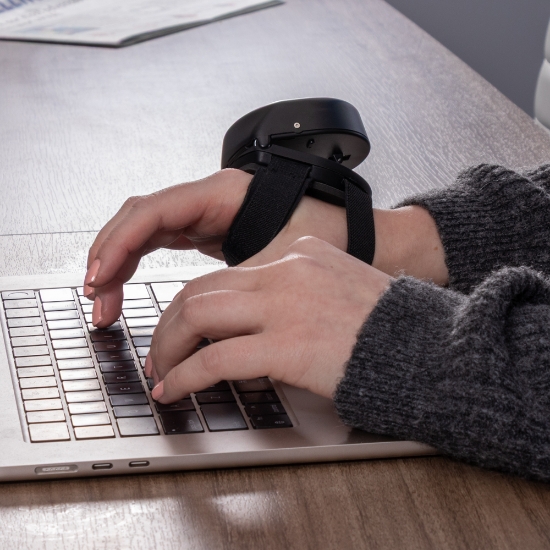
Wearable Devices For Stabilization
A wearable device is worn on the hand or wrist to mechanically counteract tremor motion during use. Some rely on passive mechanical stabilization rather than electrical stimulation, meaning the technology dampens movement without stimulating nerves. The Steadi-3 Plus Anti-Tremor Glove is one example of this glove-style category, using passive vibration-damping to reduce hand tremor while you handle everyday objects and fine motor tasks.
Adaptive Utensils For Eating
Weighted and motorized utensils are designed to counteract hand shake during eating, making self-feeding steadier and more independent. Weighted utensils add mass to reduce visible shake, while motorized options can detect tremor motion in real time and adjust the utensil head accordingly. The Gyenno Bravo Twist Tremor-Stabilizing Spoon is one example of this category, sensing movement and counteracting it so more food reaches the mouth with less spillage.
Assistive Devices For Hand Tremors
Assistive devices for hand tremors extend well beyond eating. Writing aids and computer input devices help with daily activities such as signing documents, typing, and navigating a screen. These tools typically add support or stability rather than treating the tremor itself. Many people use them alongside stabilizing devices rather than instead of them, pairing a wearable stabilizer for one task with a writing or computer aid for another throughout the day.
How Device Types Differ
Three broad device categories work in distinct ways:
- Mechanical stabilization device: Dampens tremor motion passively, adding steadiness without sensing movement.
- Electronic device: Actively senses shake and counteracts it in real time.
- Adaptive tool: A weighted or ergonomic aid that adds support and steadiness rather than counteracting the motion itself.
Understanding this distinction helps you match a device to the specific daily task it needs to support, whether that means a mechanical device for steadiness, an electronic device for eating, or an adaptive tool for grip.
Choosing The Right Device
The right device often depends on which daily task is most affected. Someone who struggles most with eating may benefit from a different category than someone who finds writing hardest. Tremor severity and hand dominance can also influence which device type fits best and feels comfortable in regular use. A practical starting point is the task causing the most day-to-day difficulty, then finding a device suited to that personal fit.
Devices Compared With Medication
Devices are generally considered a non-pharmacological option for managing hand tremor. Rather than replacing medication, they are often used alongside it as a complementary approach, addressing daily tasks while medication addresses symptoms differently. This makes devices a reasonable option for people who prefer to limit medication, are between treatment decisions, or want practical support for specific activities alongside whatever plan their physician recommends.
Getting Started With A Device
Starting with a single device for the most affected task is easier than switching several tools at once. It lets you judge the difference clearly before adding anything further. Proper fit and setup also affect how well a stabilizing device performs, so a short trial period and correct sizing matter. Our team is here to talk through the options based on your specific daily challenges and priorities.
Frequently Asked Questions
Assistive devices generally fall into three broad categories: wearable stabilizers worn on the hand or wrist, adaptive utensils for eating, and daily-task aids such as writing or computer input devices. The right category depends on which task is hardest for you to manage, since each addresses a different activity. The wearable devices and adaptive utensils sections above describe how each type works and give examples available through Pisces Innovation.
Requirements vary by device type and its regulatory classification. Some assistive devices are available without a prescription and can be purchased directly, while others may involve clinical guidance or an occupational therapy assessment before use. Because these rules differ from one product to the next, it is worth confirming the specific requirements for a device before purchasing. Checking the product details or asking a clinician helps you understand what applies to your situation.
Yes. Assistive devices are commonly used together with medication rather than as a replacement for it. This combined approach is common among people managing daily tasks and symptom severity at the same time, since devices support specific activities while medication works differently. Discussing device use as part of an overall management plan with your physician or occupational therapist helps ensure both elements work together in a way that suits your routine and priorities.
State-level assistive technology programs exist across the US to help people learn about, try, and access devices. These programs can be a useful starting point independent of any single retailer, since they focus on education and access rather than sales. Asking an occupational therapist about local resources is another practical route, as they often know which programs serve your area and can point you toward device demonstrations or loan options nearby.
Yes, they work differently. Adaptive utensils typically add support through changes like added weight or a modified grip, without sensing motion. Tremor-stabilizing utensils are more active: they detect and counteract shake in real time using motorized technology. Both categories are represented among the assistive eating devices available today, so the choice depends on whether you want simple added steadiness or real-time motion correction for the specific way your tremor affects eating.