 1-888-505-3627
Weighted Gloves For Tremors
Weighted gloves for tremors add resistance or gentle counter-force to the hand to help reduce shaking. If your hands shake when you try to write or eat, understanding the differences between designs is the first step toward finding what helps, because not every product in this category works the same way.
Talk to Our Team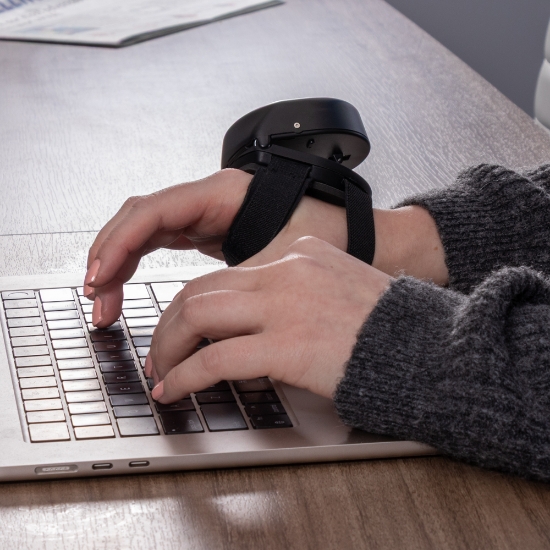
How Gloves For Shaky Hands Work
Traditional weighted gloves rely on a simple principle: added weight. By placing extra mass at the hand or wrist, they increase resistance against involuntary movement, which can improve hand stability for some users during focused tasks. The added load makes small, rapid shakes harder to sustain, so the hand feels steadier while writing, eating, or holding an object. It is a passive, mechanical approach with no electronics involved.
Why Weighted Doesn't Tell The Whole Story
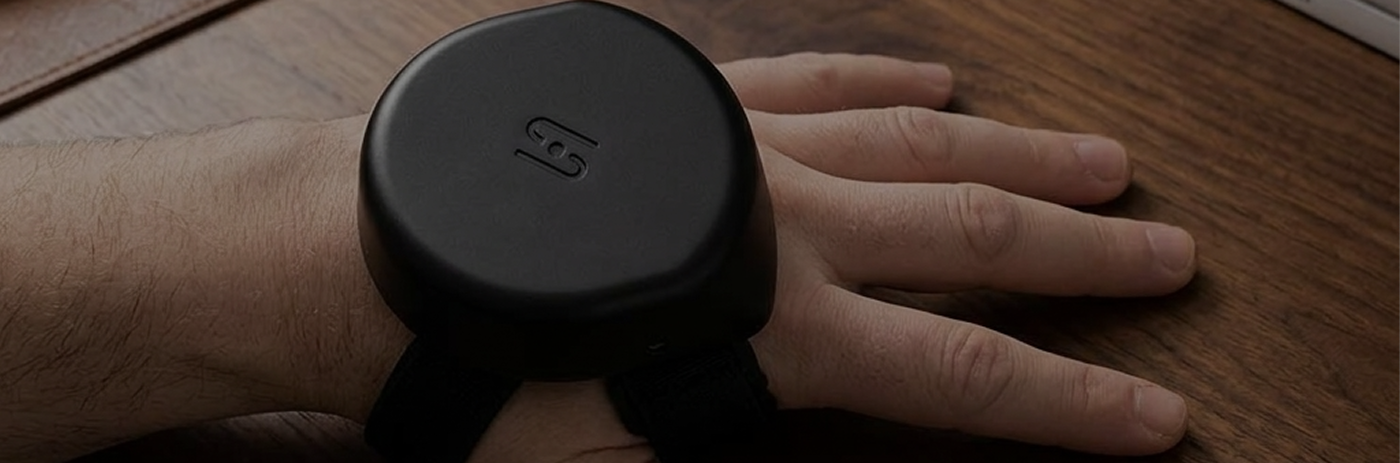
The search term covers more than one design. Some devices marketed alongside weighted gloves do not simply add mass. The Steadi-3 Plus, for example, is a passive vibration-damping device that uses tuned-mass damping technology and is battery-free. That is a different mechanism, not a better or worse one. Recognizing the distinction between added weight and tuned-mass damping helps you compare options against how a person actually uses their hands.
Who Searches For Weighted Gloves
People land on this category for varied reasons. Many are managing essential tremor, others are living with Parkinson's-related shake, and some are dealing with general hand instability that affects fine motor confidence. Caregivers and clinicians also search on behalf of the people they support. Whatever the situation, most are looking at gloves for shaky hands as one practical option among several, wanting a clear, non-diagnostic picture before deciding what to try next.
Everyday Tasks Weighted Gloves Support
The value of any glove shows up in ordinary moments. People in this category most often turn to these devices for daily fine motor activities such as:
- Writing, from signing documents to jotting notes
- Eating, often alongside an adaptive spoon or other adaptive silverware for a steadier hold
- Typing on a keyboard or handheld device
- Handling small objects like buttons, keys, or coins
These are the tasks where hand steadiness matters most, and where even a modest reduction in shake can make routines feel more manageable.
Choosing The Right Weighted Glove
A good fit depends on more than preference. Hand size affects comfort and how well a glove fits. Wear duration matters too, since a device worn for long stretches has different demands than one used briefly for a single task. Mechanism type is the third factor: added weight and tuned-mass damping suit different users. Taking those three factors together — size, wear pattern, and mechanism — gives a clearer starting point than any single feature alone.
Caring For Your Glove
Care keeps a glove comfortable and lasting. Most gloves in this category are meant for hand washing or wiping down, not machine washing, which can damage internal components or reshape the fit. Straps benefit from gentle care, so fasteners stay secure over time. For any device that includes electronics, follow the manufacturer's battery care guidance. Specifics vary by product, so always confirm the exact cleaning and maintenance instructions that come with your glove.
Living With Hand Tremor
Living with hand tremor is about more than any single task. The right glove can help restore independence and daily confidence, giving someone the steadiness to write a card, share a meal, or manage a routine without asking for help. Gloves for shaky hands are one supportive tool within a wider picture of everyday living, often paired with an adaptive spoon at mealtimes. Building that toolkit gradually — starting with the task that disrupts the day most — tends to produce a more useful result than adding everything at once.
Frequently Asked Questions
For some users, yes. Added weight or resistance can reduce the amplitude of involuntary hand movement, making the hand feel steadier during focused tasks like writing or eating. Results vary by person and depend on the tremor's type and severity, as well as the specific device. Weighted gloves are one option among several assistive approaches, and what helps one person may be less effective for another with a different shaking pattern.
There is no fixed timeline that applies to everyone. Results vary by individual and by mechanism, since a passive weighted glove and a magnetic stabilization device work differently. Some people notice a change quickly during specific tasks, while others adjust over a longer period as they learn how the glove fits into daily routines. Rather than expecting a set number of days or weeks, it helps to observe how the hand responds across the tasks that matter most.
There is no single correct answer, and the right amount depends on the individual. As general guidance, lighter weights are often suggested for milder tremor, while more pronounced tremor may call for a heavier option. Too much weight can cause fatigue, and too little may not steady the hand enough. Because the ideal balance varies with hand strength and tremor pattern, consult a doctor or therapist who can assess your situation before deciding.
Wear time varies by product and by mechanism, so there is no universal duration that fits every glove or every person. Some designs are comfortable for extended wear, while others are intended for shorter, task-focused use to avoid hand fatigue. Comfort, fit, and the user's own tolerance all play a part. Before deciding how long to wear any glove, follow the manufacturer's guidance for that device, and adjust based on how your hand feels over time.
For many people managing Parkinson's-related shaking, the Steadi-3 Plus can be a helpful daily tool, but suitability is individual. Other medical conditions, medications, and implanted devices can affect whether a given option is appropriate. Because these considerations sit outside general information, anyone considering a glove should confirm suitability with their own care team first. A physician or therapist who knows the person's history is best placed to advise on safe, appropriate use.