 1-888-505-3627
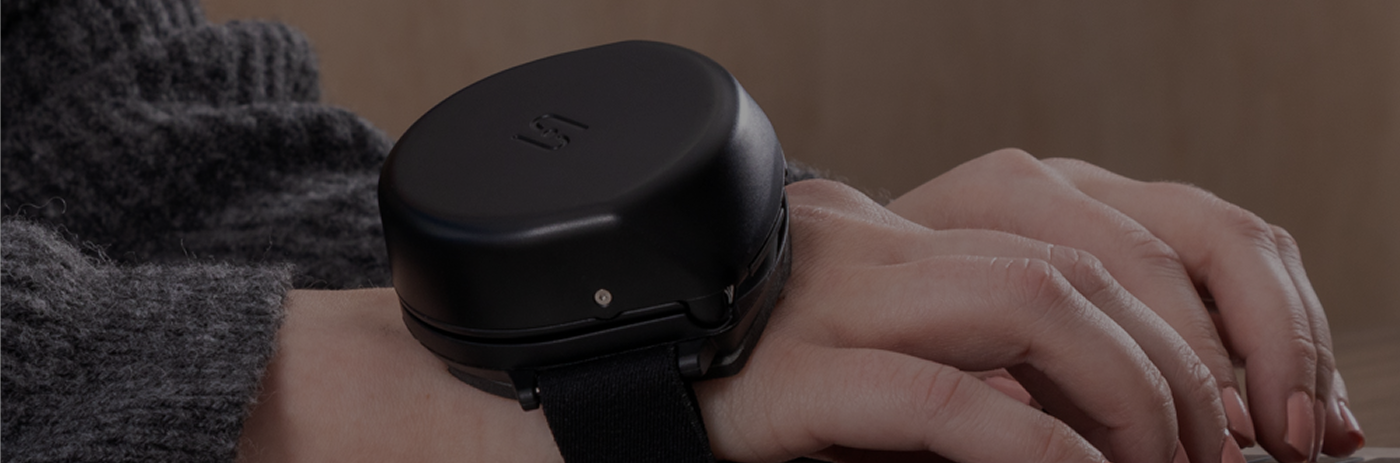
Tremor Gloves Buying Guide
Tremor gloves and weighted gloves for tremors are one option to consider when hand tremor is making everyday tasks like writing or eating harder. This guide explains how the category works, who commonly uses these gloves, and how to think about fit before you decide.
Talk to Our Team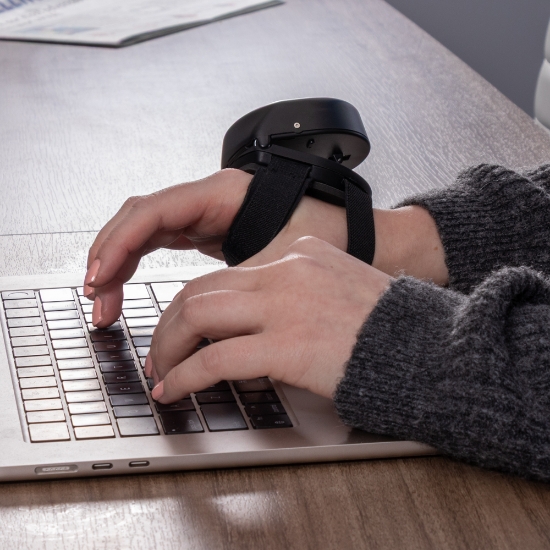
How Tremor Gloves Work
Tremor gloves rely on a simple idea: added weight or light resistance around the hand can steady movement. By increasing the effort needed to move, the glove aims to reduce the sense of involuntary hand movement, supporting greater hand stability. The effect is mechanical rather than medication focused, which is why many people try weighted designs when involuntary movement interferes with holding, writing, or guiding objects during daily activities. The glove does not treat the underlying condition — it addresses the daily impact.
Who Uses Tremor Gloves
People searching this category are usually managing some form of hand shake. That often includes those living with essential tremor, individuals with Parkinson's-related shake, and people experiencing general hand instability from other causes. The interest is practical rather than diagnostic. Most look for a non-drug, wearable tool that helps them keep control during tasks they already do every day. If you are unsure whether a glove suits your situation, our team can walk you through it.
Weighted Versus Compression Gloves
These two designs work differently. A weighted design adds mass to the hand, and that added weight is intended to help steady shaking, which is why weighted gloves for tremors focus on managing involuntary movement. A compression design applies gentle pressure to support the joints and improve positional awareness, but does not add mass. The mechanism difference matters: consider weighting when movement control is the goal, and compression when joint support is the priority.
Everyday Tasks Tremor Gloves Support
Most people reach for a tremor glove to steady the small, precise movements that shaking makes difficult. Common daily tasks include:
- Writing notes, signing documents, or holding a pen steady
- Eating and managing utensils at the table
- Typing on a keyboard or using a phone
Fine motor activities such as buttoning clothing or handling small objects
The goal across all of these is the same: more control and less frustration during ordinary routines.
Choosing The Right Weighted Glove
Fit is where comfort meets function. Start with hand size, since a glove that is too loose or too tight will not steady movement well. Then consider the weight and resistance the design offers, and factor in how long you need to wear the glove daily. Comfort matters as much as weight, because a glove is only useful when it is actually worn. Check breathability and material for extended wear sessions, and confirm whether the weight level can be adjusted to suit different tasks.
Pairing Gloves With Other Aids
A glove can work alone or in conjunction with other adaptive tools and/or current medication regimens. Many people combine tremor gloves with weighted utensils to build a fuller daily routine, especially around meals where stability matters most. An adaptive spoon or other adaptive eating equipment can complement a glove by adding steadiness at the point of contact with food. Together, the glove and the utensil address different parts of the same task, making mealtimes more manageable and less tiring. Starting with the pairing that covers the most-affected daily task tends to work better than adding everything at once.
Living With Hand Tremor
Living with hand tremor is about more than any single device. The right combination of tools can restore daily confidence and give back a real measure of independence in the tasks that matter to you. Small gains in hand control, whether writing a card or eating without help, add up to a steadier, more self-directed day. Building that combination gradually — one well-fitted tool at a time — tends to be more sustainable than choosing everything at once.
Frequently Asked Questions
Weighted gloves for tremors work by adding mass to the hand, which is intended to help steady involuntary shaking. The extra weight increases the effort needed to move, supporting the small motions that shaking disrupts. For many people, that can make fine motor tasks like writing and eating easier. The effect is mechanical, so results vary by person depending on the type and degree of tremor and how well the glove fits.
Tremor gloves are generally used by people managing hand shake in daily life. This often includes those with essential tremor, individuals with Parkinson's-related shake, and people experiencing general hand instability from other causes. The framing here is practical rather than diagnostic: anyone whose shake interferes with tasks like writing, eating, or typing may find a weighted glove worth exploring. If you are unsure whether it fits your needs, start with a conversation about your daily tasks.
The two serve different purposes. Weighted gloves add mass to help steady involuntary movement, so they target shake directly. Compression gloves apply gentle pressure that primarily supports the joints and can improve positional awareness, but they don't add weight and aren't designed to reduce shake. For those seeking gloves for shaky hands where steadying movement is the goal, a weighted design is the closer match. If joint support is the concern, compression is the more relevant option.
Yes. Gloves are commonly worn during eating tasks, since mealtimes involve exactly the kind of precise, repeated movements that shaking makes difficult. Many people pair a tremor glove with weighted utensils for added stability, letting the glove steady the hand while an adaptive spoon adds control at the plate. Used together, the two can make eating more manageable and less tiring. Comfort during a full meal is worth checking, so the glove works for the whole session.
Start with your hand measurements and check them against the available sizing options, since a well-matched size is what lets the glove steady movement. From there, consider how the design's weight and resistance suit your comfort over a typical day. The same care applies when adding adaptive silverware to a routine: fit and comfort keep the tools usable. If you would like help matching measurements to a size, guidance is available before you order.