 1-888-505-3627

Parkinson's Glove Guide
If hand tremor is making everyday tasks like writing or eating harder, you may be wondering whether a Parkinson's glove could help. This guide explains the category in plain terms, so you can understand your options and find what suits your daily life.
Talk to Our Team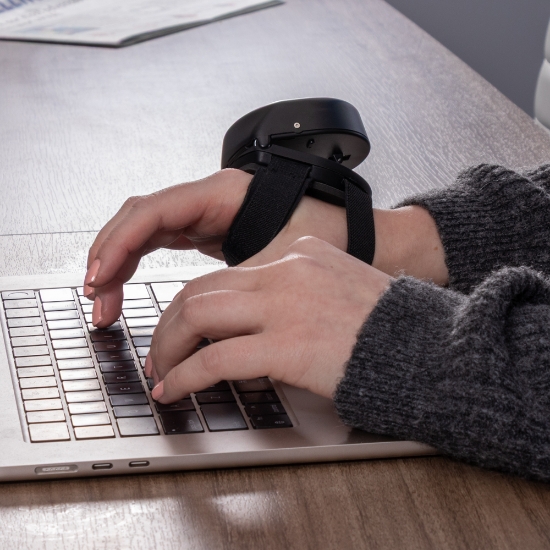
What Is A Parkinson's Glove
A Parkinson's glove, also searched as Parkinson's disease gloves, is worn on the hand to help manage tremor during daily tasks. The general aim is stabilization: supporting the hand so involuntary shaking interferes less with the things you want to do. Different designs approach this differently, but the shared purpose is steadier hand movement. It is one tool among several that people affected by hand tremor may consider. The right starting point is understanding how the mechanism works before comparing specific options.
How Parkinson's Gloves Help Tremor
The general idea is to counter involuntary movement so the hand feels more settled. By dampening or resisting shaking, a glove can improve hand stability, making daily tasks feel more manageable. The precise mechanism depends on the design, and results differ from person to person. Most approaches focus on steadying motion rather than treating the underlying condition, giving the wearer a more controlled base for fine motor activities. How much difference a glove makes depends heavily on tremor type, severity, and how well the design matches the user's hand.
Weighted Versus Passive Damping Designs
Not every Parkinson's glove works the same way, so mechanism type matters when comparing options. Weighted designs add mass to the hand — the extra weight resists rapid shaking, helping the hand move more steadily during focused tasks. Passive damping designs, such as those using tuned-mass damping technology, work without added weight — the mechanism absorbs and disperses involuntary movement differently. Neither is automatically right for everyone, and understanding the difference helps you decide what best suits your daily needs.
Daily Tasks Parkinson's Gloves Support
People often turn to a glove for the fine motor activities that tremor makes harder. Common examples include:
- Writing, such as signing forms or taking notes
- Eating and handling utensils
- Dressing, including buttons and fasteners
These are everyday moments where steadier hand control makes a practical difference. Support varies by individual and by the glove's design, but the goal across the category is the same: making routine tasks feel more within reach.
Choosing A Parkinson's Glove
Choosing among Parkinson's disease gloves comes down to a few practical factors. Fit matters, so start with hand size. Mechanism type is next, since magnetic and weighted designs feel different in use. Consider wear duration too, because how long the glove needs to be worn each day affects comfort and suitability. Everyone's routine is different, and thinking through these points helps you narrow options. If you would like guidance, our team is here to talk it through.
Parkinson's Gloves And Other Daily Aids
A glove can work alone or in conjunction with other adaptive tools and/or current medication regimens. Many people pair one with other adaptive tools to cover a fuller daily routine. An adaptive spoon or set of adaptive silverware can support eating alongside a glove, and other assistive eating devices may round out the picture. The right combination depends on which tasks matter most to you. Thinking about the whole day, rather than a single moment, often leads to a more practical and comfortable setup.
Living With Parkinson's Hand Tremor
Living with hand tremor is about more than any single device. The right combination of tools can support confidence in daily fine motor tasks, helping you approach writing, eating, and other routines with steadier hand control. Independence and daily confidence come from finding what genuinely fits your life, not from a single product. If you are weighing options, our team is glad to help you understand what might work for your situation.
Frequently Asked Questions
Requirements vary by device and mechanism type. Some Parkinson's gloves are available for direct purchase, while others may involve clinical guidance before use. No single answer applies to every product, so confirm the requirements for the specific glove you are considering. This page offers general education only and is not a substitute for checking with the manufacturer or a specialist about your individual needs and circumstances.
Effectiveness of Parkinson's disease gloves varies by mechanism and by the individual wearing them. Some people find that a glove helps steady the hand during specific tasks, while others notice a smaller difference. Because responses differ so widely, it is difficult to make a blanket statement that fits everyone. The most useful approach is to understand how a particular design works and consider whether that mechanism suits the tasks and situations that matter most to you.
It depends on the design. Many shaky-hand gloves fit either hand, while others come in dedicated left and right versions. Because handedness and sizing vary between products, the right choice depends on the specific glove you are looking at. Before deciding, confirm the sizing and handedness details for that product so the fit matches the hand you use most in your daily routine.
Yes, in general. Many Parkinson's gloves are designed specifically to support fine motor tasks like eating and writing, which are often the moments where tremor causes the most difficulty. Wearing a glove during these activities is common, though comfort and results depend on the design and the individual. If eating and writing are your priorities, compare options based on how well each glove performs during those tasks.
Before buying, confirm that the mechanism type matches the daily challenge — added weight suits some users, while a passive damping design suits others. Check that the sizing aligns with your hand measurements, since a poor fit reduces effectiveness regardless of mechanism. It also helps to know which tasks you need the glove for most, and whether those tasks require wearing it for long stretches or just short focused sessions. Starting with those three points — mechanism, fit, and use pattern — gives you a clearer basis for comparing specific options.