 1-888-505-3627
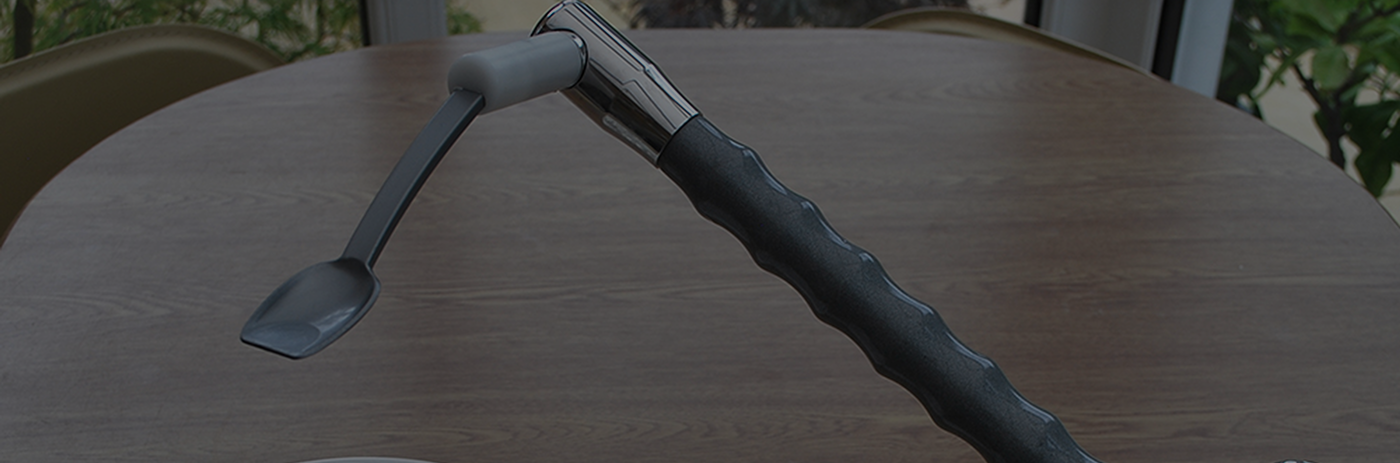
Devices For Independent Eating And Drinking
Devices for independent eating and drinking give people back control at mealtimes when self-feeding has become difficult. This guide walks through why independence at the table matters, how to match a device to a real daily routine, and where to start within the category.
Talk to Our Team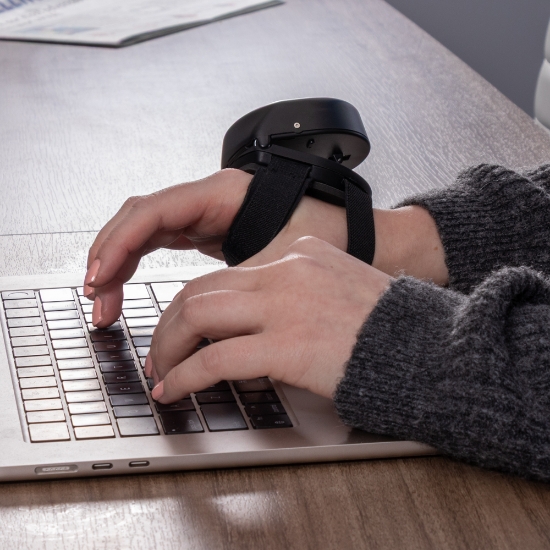
Why Independence At Mealtimes Matters
Being able to eat and drink independently affects far more than nutrition. Self-feeding is closely tied to dignity, to a sense of control, and to daily mood. For many people, feeding themselves is one of the first ordinary routines a condition takes away, so restoring even part of it carries weight beyond the practical. Independence at the table is often where confidence starts to return.
How Caregiver Workload Changes
When someone can manage more of their own eating, a caregiver's role can shift from constant assistance toward support and supervision. That change reshapes the daily routine, freeing caregiver time for other tasks and easing the physical demand of hands-on assistance meal after meal. The relief is practical, and it tends to matter to both people at the table. Over time, that shift also gives the person eating back a sense of agency they may have felt slipping away.
Matching Device Type To Daily Life
Consider where meals happen most often and how much hands-on assistance is currently needed day to day. A device that fits a busy home kitchen may differ from one suited to home versus facility use, where routines, seating, and staffing vary. Think about the current degree of assistance too. Matching the device to a real daily routine usually leads to something a person will actually reach for at mealtimes. The right device is the one that gets used consistently, not the one with the longest feature list.
Independence Milestones Worth Noticing
Small milestones often matter as much as the device itself. Finishing a meal without help, drinking without spilling, or simply picking up the pace of self-feeding can each mark real progress. These moments build confidence and slowly reshape the daily routine around what a person can do. Noticing and naming them helps families see momentum, even when the underlying condition hasn't changed. A device that enables one of these moments is doing its job, even before the broader picture changes.
Assistive Devices For Eating
The right starting point spans a spectrum:
- Simple stabilizing tools: a weighted grip or built up handle at the gentler end
- Steadying wearable tools such as the Steadi-3 Plus Anti-Tremor Glove, sometimes called a Parkinson's glove, sit in between
- Powered assistive devices for eating: solutions that automate more of the motion for higher levels of need
Where a person lands depends on their level of need, not a single product. Full device detail lives on our dedicated catalog page, so treat this as orientation.
Supporting Dignity At The Table
Independence at the table benefits both the person eating and the people who care for them. For the individual, it protects dignity and rebuilds confidence during family mealtimes. For caregivers, it turns a demanding task into shared time together. That dual lens matters to us, because a good outcome is rarely measured by the device alone. It shows in how someone feels sitting down to eat.
Starting The Conversation
Figuring out the right starting point within the wider assistive devices for eating category is easier with a conversation than a guess. Everyone's situation looks a little different: the condition, the setting, the level of support already in place. A short consultation helps sort through those variables. If you would like to understand which options might suit your situation, our team is here to talk it through, without pressure, as your next step.
Frequently Asked Questions
No. The category of assistive eating devices spans a wide range, from simple grip aids and weighted utensils to fully powered systems. That means there are options for many different levels of need, including mild hand weakness or tremor as well as more significant loss of function. The right fit depends on the individual, not on how severe a condition sounds. Milder needs are just as valid a reason to explore what might help at mealtimes.
Watch for everyday signs at the table:
- Spilling food or drink more often than before
- Fatigue partway through a meal
- Reduced appetite or eating less than usual
- Reluctance to eat in front of others
- Stopping lifting a weak arm to the plate, where support such as mobile arm support may help
If mealtimes have become stressful or shorter than they used to be, it is worth looking into supportive options.
The terms overlap and are often used interchangeably. In general, "device" tends to describe more technical or powered solutions, while "aid" usually refers to simpler tools like adapted grips or plates. Both fall under the broader umbrella of assistive devices for eating, and neither term signals a set level of complexity on its own. What matters more than the label is whether the item matches the person's actual needs at the table.
It depends on the product. Some support both eating and drinking, while others are designed specifically for one. A stabilizing utensil, such as an adaptive spoon, supports eating, while a controlled drinking device like the Neater Powered Drinker handles fluids. Because scope varies from item to item, it is best to confirm exactly what a given product covers before deciding. If both eating and drinking are a concern, our team can help you understand which options address each need.
Trial and return policies vary by manufacturer and by product, so there is no single answer that applies across the whole category. Some items, including certain tremor gloves and utensils, may carry a return window or money-back arrangement, while others have different terms. Because these details differ from one product to the next, confirm the specific trial or return policy for any particular device before you decide, rather than assuming a standard timeframe.