
 1-888-828-7868

Cups and Drinking Aids for Parkinson's Disease
Choosing a cup for Parkinson's can feel daunting when tremor and rigidity make every sip a challenge. This practical guide covers cup features, cup types, assistive options, and how Parkinson's progresses so you can plan ahead with clarity and confidence.
Explore Parkinson's guidance
How Parkinson's Affects Drinking
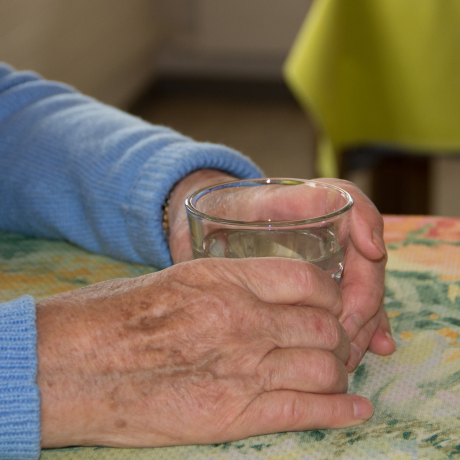
Hand tremor and muscle rigidity can make the grip unsteady and cause involuntary movements while drinking. Reduced hand coordination turns a simple task like lifting a glass into a source of spills and frustration. Some people drink less as a result, which affects hydration, and swallowing which can deteriorate over time. In social or public settings, people can feel especially self-conscious, which is why adaptive cups can help. Understanding these effects makes it easier to choose features that suit the person.
Key Features That Make A Cup Easier To Hold
Look for these features, which make a cup easier to hold and drink from:
- Dual handles and finger grooves for a more secure grip
- Ergonomic grip surfaces that add friction
- A lightweight body or a weighted base, each suiting different tremor patterns
- A nose cutout rim, which leaves room for the nose so the head does not tilt back
- Lids and spouts that limit spills
Each term describes a design choice, so compare cups by feature rather than by appearance.
Types Of Drinking Aids For Parkinson's
Drinking aids for Parkinson's fall into a few general categories, described here as types, not as Pisces Innovation products. Each type targets a different difficulty, so matching the category to the specific challenge helps avoid wasted trials and spending.
Weighted cups offer a steadier grip, and two-handled mugs add grip stability. Nose-cutout (nosey) cups help with limited neck movement. Anti-tremor drinking cups reduce shaking while holding, and straws or spouted lids help with spill control.
Unsure which category fits? Our team can talk it through with you.
Reducing Spills And Protecting Dignity
Spill-limiting features help rebuild confidence, whether at the kitchen table or in company. Drinking independently again supports dignity and can ease the burden on caregivers, who may otherwise step in at every meal. That is why choosing the right adaptive design matters: the goal is a drink that feels ordinary, steady and self-directed, not a workaround that draws attention. Small gains, such as a steadier grip or fewer spills, add up quickly and can make everyday meals feel more relaxed.
Discreet Designs For Home, Care And Social Settings
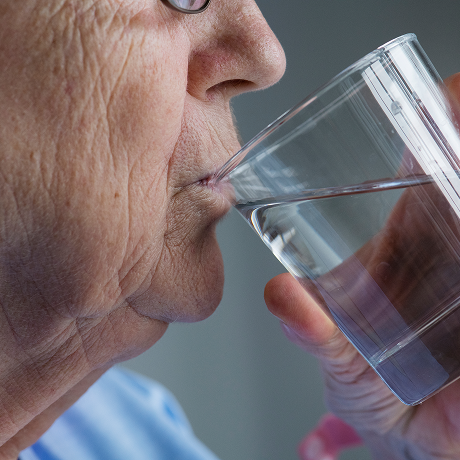
Discreet, familiar-looking cups can reduce self-consciousness at mealtimes, because they look like everyday drinkware. They suit home use, residential care and rehabilitation or therapy settings alike. Needs differ from person to person and from setting to setting, so tailored advice can make choosing easier. If you would like help deciding which option fits your situation, our team can advise. Ask about lid style, handle shape, and weight so the cup suits the person, the room, and the daily routine.
Planning Ahead As Parkinson's Progresses
Parkinson's is a progressive condition, and it changes at a different pace for each person. A cup that works well today may need adjusting later, so it helps to treat the choice as something to revisit rather than a one-time decision. Symptoms can also vary within a single day, for example as medication wears off or fatigue builds, so some people keep two options on hand. Signs that it may be time to reassess include more frequent spills, needing both hands for every sip, or drinking less than usual. An occupational therapist can review these changes and suggest the next step, from a different cup feature to added support.
When Drinking Aids Aren't Enough: Powered Drinkers
When cups and manual drinking aids for Parkinson's no longer give enough control, a powered drinker can help. Pisces Innovation is the exclusive authorized distributor of the Neater Powered Drinker, a switch-operated device with a peristaltic pump that dispenses controlled amounts of liquid, so you don't need to hold a cup. It supports independent drinking and suits people with limited hand or arm function who have head control and can swallow. Ask a clinician whether a powered option suits the person.
Frequently Asked Questions
There is no single best cup, because the right choice depends on tremor severity, grip and neck movement. Weighted or two-handled cups suit grip difficulties, while nose-cutout cups suit limited neck extension. A weighted cup for tremors may steady one person's hold but feel too heavy for another, so match each feature to the specific difficulty. An occupational therapist can test a few options to make sure the cup fits the person's routine.
Daily challenges include tremor, rigidity, reduced coordination, and fatigue. These can affect eating, drinking, writing, and self-care, and with them, a person's independence. Targeted aids address specific tasks, such as holding a cup or using a spoon, rather than the condition itself, so they work best when matched to the task that has become hardest. Starting with one task, such as holding a cup, makes it easier to see whether a new aid is helping.
Adequate fluid intake supports general health and wellbeing. When drinking becomes difficult, people may drink less, which makes easier-to-use cups and other adaptive drinking aids worthwhile. Pairing the right cup with regular sips throughout the day helps maintain intake, since an easy-to-handle cup makes it more likely the person keeps drinking. If swallowing feels unsafe or intake drops noticeably, speak with a clinician promptly rather than relying on aids alone.
Parkinson's cups are not one product but a group of adapted designs: weighted, two-handled, nose-cutout, or anti-tremor styles. Each targets a specific difficulty, such as grip, spills, limited neck movement, or shaking. When a cup alone is not enough, a tremor-stabilizing device or a powered drinker can add support. Choosing between them starts with identifying the hardest part of drinking, then testing one feature at a time. An occupational therapist can guide that whole process.
It can for some people. The Steadi-3 Plus Anti-Tremor Glove uses passive vibration-damping to reduce hand tremor while holding a cup, so a person may be able to keep using everyday drinkware. It suits action tremor during tasks like lifting a glass, and it can be paired with a two-handled or lidded cup for extra spill control. Results vary by tremor type and severity, so an occupational therapist can help judge whether it fits.