 1-888-505-3627
Assistive Devices For Eating
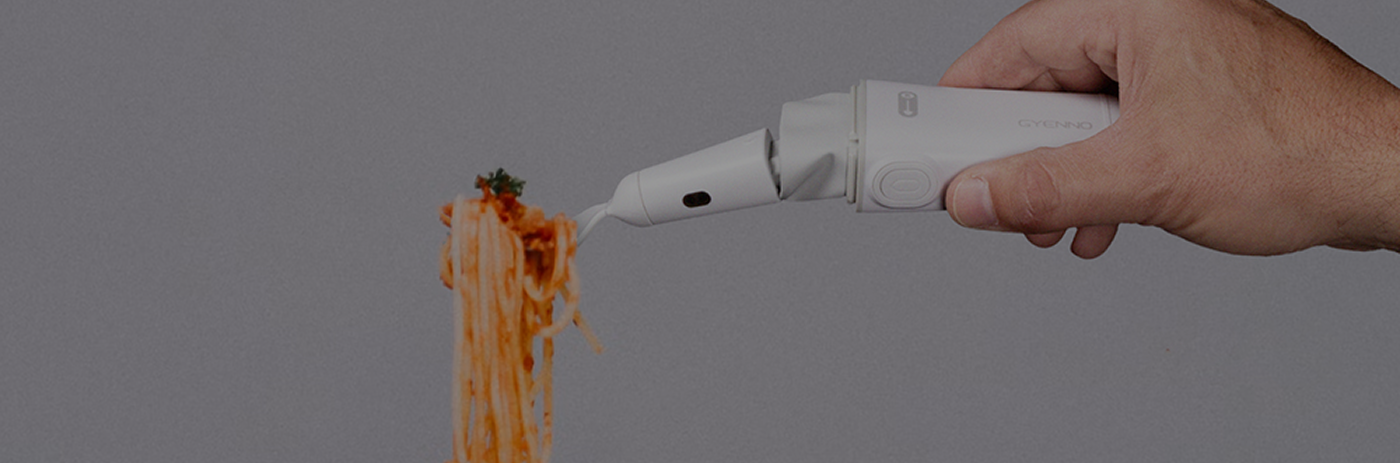
Assistive devices for eating range from simple arm supports to fully robotic feeding systems. When eating a meal independently becomes difficult, families and clinicians often ask which device best fits the person in front of them — and the answer depends on where that person sits on the technology spectrum.
Talk to Our Team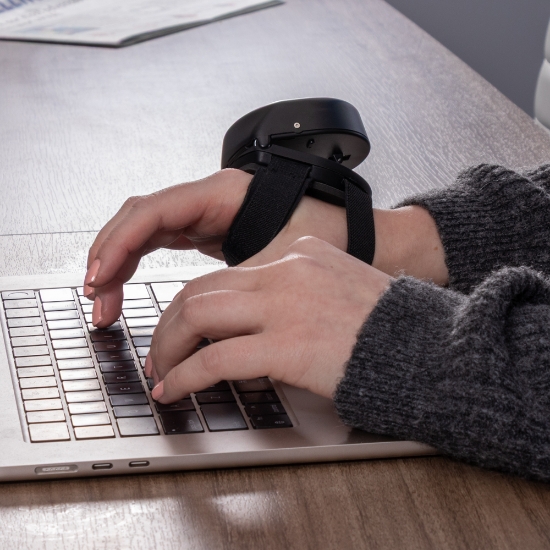
The Assistive Eating Spectrum
The category is broad, and it helps to picture a spectrum rather than a single product. At the low-tech end sit tools like an adaptive spoon or an arm support that steadies a limb during meals. In the middle, a powered device takes on more of the effort. At the high-tech end, a robotic device performs the feeding motion itself. Each level suits a different degree of remaining hand and arm function.
Arm Support Devices Explained
A mobile arm support holds and guides the arm during everyday tasks like feeding, letting the user's own muscles do more of the work. For someone with a weak arm, the support carries the weight so limited strength stretches further. For someone with tremor, a well-matched support may reduce the strain of steadying the arm at the table. The person still directs the motion; the device simply takes over the load of getting there.
Manual Versus Powered Technology
The clearest way to compare eating technology is by how much work the device does for you.
- A manual device still requires some arm motion from the user, damping or steadying movement rather than replacing it.
- A powered device can perform the full feeding motion instead, controlled through switches or similar inputs.
The right choice depends on the degree of assistance a person needs day to day, which follows directly from how much hand and arm function remains.
Robotic Feeding Arms Explained
A robotic arm brings food to the mouth for a user who can direct a meal but cannot lift utensils independently. The user stays in control of two things that matter most at a meal: food selection, choosing which item is picked up next, and pace, deciding when the next bite arrives. Switches, touch input, or other access methods drive these choices. The result is self-feeding directed entirely by the user, with the mechanism handling the physical lift.
Powered Drinking Devices Explained
A powered drinker dispenses controlled amounts of liquid so a person can drink without holding a cup or sucking through a straw. By delivering measured sips on demand, these devices reduce spilling and cut the physical effort that independent drinking otherwise requires. Control usually comes through a switch, which keeps the person in charge of when and how much they drink. For many users, that combination restores a routine part of the day without relying on hands-on help.
Who Benefits From Powered Devices
Powered eating and drinking devices are generally suited to people living with more significant motor limitations, where lifting a utensil or cup independently is no longer practical. They also help caregivers manage a heavy caregiver workload, since the person can direct their own meals rather than depend on constant assistance. The shared goal is independence: giving the user meaningful control over eating and drinking while easing the daily demands placed on the people supporting them.
Choosing The Right Technology Level
Start with the remaining hand function and arm strength, then match the technology level to it. Someone with mild tremor may manage with adaptive eating utensils or a Steadi-3 Plus, while someone who cannot lift at all may need a powered or robotic system. A mobile arm support sits between these levels. Next, weigh daily routine needs: where meals happen, how often, and who is present to help.
Frequently Asked Questions
Assistive devices for eating cover a wide range of tools — from adaptive spoons and mobile arm supports through powered drinkers to fully robotic feeding systems. They are united by a shared purpose: helping people who cannot eat or drink fully independently do more for themselves. The right device depends on how much hand and arm function a person retains, what daily tasks are hardest, and how much assistance the device needs to provide.
Portability varies widely by device type, so check each product individually rather than assuming. Some options, such as a mobile arm support or a pair of tremor gloves, may pack down more easily than a larger powered system. Before relying on a device outside the home, confirm its folded size, its weight, and any charging or battery needs against the specific product you are considering, since these details differ from one system to the next.
A robotic feeding device uses a robotic arm to pick up food and deliver it to the user's mouth. The user stays in control of food selection and the pace of the meal, typically through switches or similar access methods suited to their abilities. Because the mechanism handles the lifting and delivery, the person can chew and swallow at their own rhythm while directing each bite, supporting genuine self-feeding without hands-on help at the table.
A mobile arm support holds and guides the arm during eating, carrying the arm's weight so the user's remaining muscle strength goes further. It suits people who retain some voluntary arm movement but find the effort of lifting and steadying too tiring or inconsistent to manage a full meal. By reducing that physical load, the support lets the person direct their own bites without needing hands-on help from a caregiver.
Cleaning and maintenance depend on the specific device, so general guidance only goes so far. As a rule, check which parts are dishwasher-safe versus hand-wash only, follow the manufacturer's battery care instructions to protect the power system, and wipe down surfaces that contact food after each use. Always confirm the exact cleaning and maintenance steps in the product's own manual before assuming a routine, since materials and components vary between systems.