 1-888-505-3627
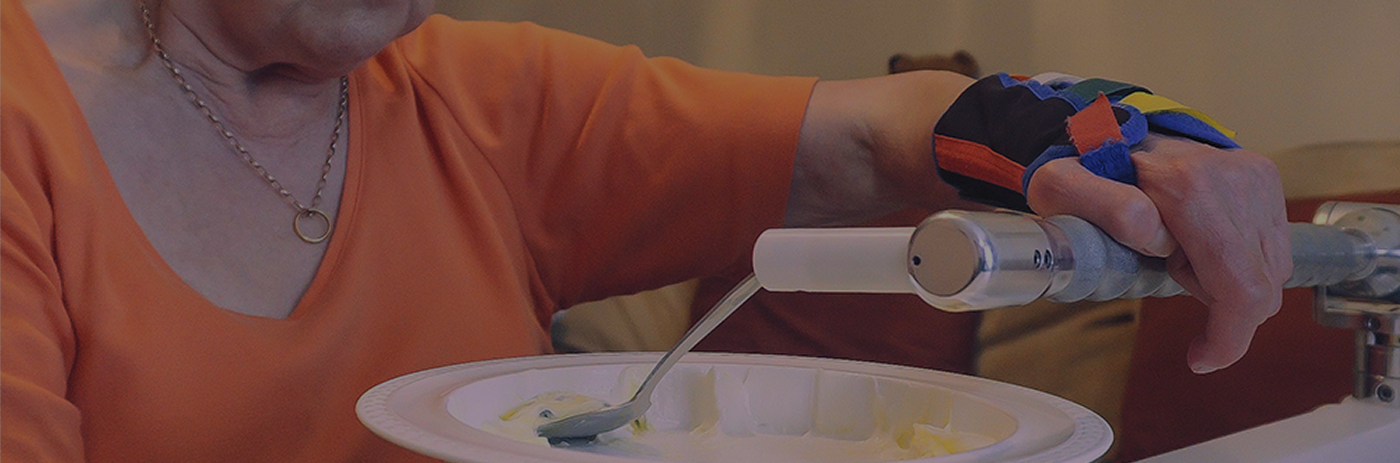
Adaptive Utensils For Elderly Users
Adaptive utensils for elderly users address the grip, tremor, and range-of-motion changes that come with aging. When ordinary forks and spoons start slipping or shaking at the table, mealtimes can become frustrating and tiring for an older adult and whoever is helping them. This page introduces the category broadly, framed around common aging-related causes.
Talk to Our Team
Why Standard Utensils Get Harder With Age
Ordinary forks, spoons, and knives assume steady hands and firm grip, which is not always the reality with age. Reduced grip strength can make thin handles slip. Joint stiffness limits how far the wrist and fingers move. Tremor adds unwanted motion, and a smaller range of motion makes reaching the mouth harder. Together these changes turn a routine meal into an effort, and they are exactly what adaptive designs aim to ease.
Common Adaptive Utensil Features
Most adaptive utensils are built around a handful of practical features. Common ones include:
- A built-up handle that is thicker and easier to hold when finger strength is limited.
- A weighted handle that adds mass to steady the utensil in the hand.
- A non-slip grip surface that keeps the utensil secure even with reduced grasp.
Each feature targets a different physical challenge, so most designs combine two or three rather than relying on one alone.
Matching Utensils To The Underlying Cause
The right choice depends on what is actually making mealtimes harder. Grip loss points toward a built-up handle and non-slip grip. Tremor is often better served by added weight. Joint pain, the kind arthritis utensils are designed around, may call for angled or cushioned handles that reduce strain. Cause-specific fit matters more than picking the most popular set, because a well-matched utensil solves the real problem instead of only looking helpful.
Built-Up And Weighted Handles Explained
These two handle types solve different problems. A built-up handle is simply wider in diameter, so the hand does not have to close as tightly. That reduces the grip strength needed to hold the utensil steady, which helps when finger and hand strength have declined. A weighted handle works differently. The added mass provides gentle resistance that helps dampen involuntary movement, making a spoon or fork easier to control when tremor is the main challenge.
Choosing An Adaptive Spoon For A Senior
The right fit depends on a few practical things:
- Hand size and grip strength, which point toward the correct handle and grip type
- Whether tremor, weakness, or limited wrist motion is the main challenge
- Caregiver input, since the person feeding and the person eating may need different features
When a caregiver and the senior share mealtimes, the best choice among adaptive utensils for elderly users often balances both needs. Naming the primary difficulty first usually narrows the options quickly, and our team is glad to help you think it through.
Arthritis Utensils And Other Daily Aids
Utensils rarely work in isolation. A built-up spoon does little good if the plate slides across the table. That is why adaptive silverware is often paired with a non-slip mat to keep everything in place, or a stabilized plate with raised edges that make scooping easier. Thinking about the whole setup, rather than a single item, usually creates a calmer, more manageable mealtime for both the senior and anyone assisting.
Supporting Independence At Every Meal
The value of the right eating aids is not only mechanical. When a spoon stays steady and a plate holds still, a senior can eat without asking for help at every bite. That supports independence and dignity across ordinary meals, not just the difficult ones. Small, well-chosen tools give people back a routine that feels their own, which often matters as much as the practical function itself.
Frequently Asked Questions
Adaptive utensils are everyday forks, spoons, and knives redesigned to work with aging-related changes in the hands and arms. Instead of thin, uniform handles, they use features like built-up or weighted handles and non-slip grips to support reduced grip strength, tremor, and limited range of motion. The goal is to make self-feeding easier and more comfortable, so a meal takes less effort and depends less on outside help.
For simple designs, generally yes. A built-up handle spoon or fork works much like standard silverware, so most seniors pick it up naturally with little or no adjustment. More specialized eating aids, such as devices with mechanisms or multiple parts, may benefit from a brief introduction. A caregiver or occupational therapist can show how the item works and answer questions, which builds confidence and helps the tool become part of the routine.
Coverage varies by plan and by the type of device, so there is no single answer that applies to everyone. Some simpler adaptive utensils may not qualify, while certain assistive eating devices could be handled differently depending on the policy and any documentation from a clinician. The most reliable step is to confirm directly with the insurer or Medicare plan before purchasing, rather than assuming a blanket rule covers a specific product.
Resistance is common, and gentle framing helps. Start with the option that looks least clinical, since something close to ordinary silverware feels less like a signal of decline. Talk about it in terms of comfort and ease at the table rather than limitation or need. Letting the senior try it during a relaxed, everyday meal, without pressure, often works better than presenting it as a required change to their routine.
It depends on the product. Some adaptive silverware is designed to sit close to standard cutlery, with only a slightly thicker or contoured handle that most people would not notice. Others are more visibly specialized, with larger grips, added weight, or angled shapes that clearly serve a purpose. If appearance matters to the person using them, there are subtler options, so it is worth comparing designs before deciding.