 1-888-505-3627
Adaptive Spoons For Seniors
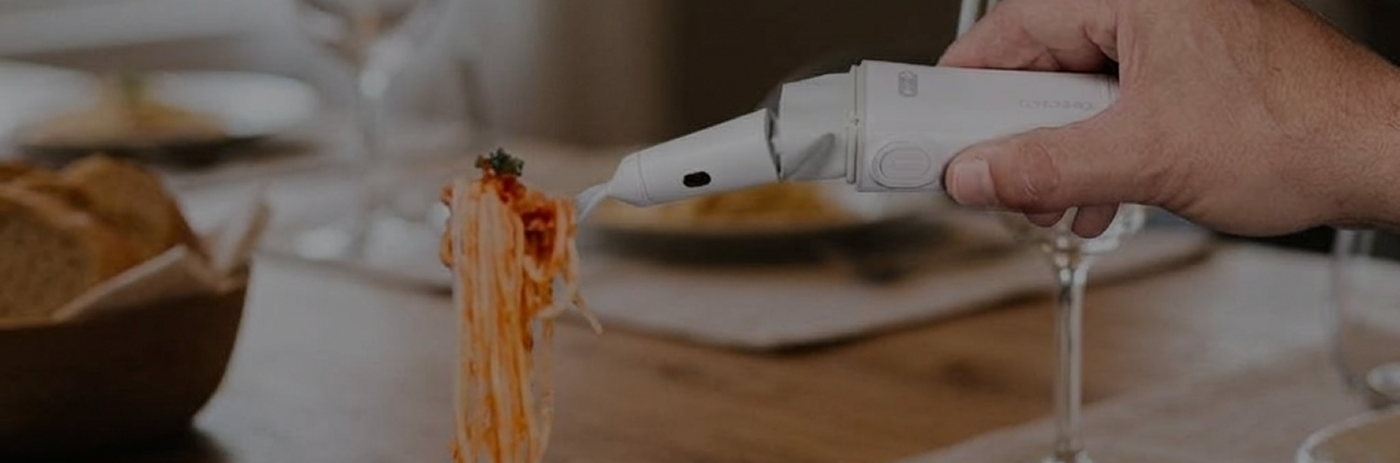
When mealtimes become harder for someone who's aging, there's an increase in food slippage, tiring hands, and spilling. Families begin to wonder what tool actually helps. An adaptive spoon is frequently where they start. As grip changes and age-related tremor affect daily eating, these utensils support both caregiver-assisted feeding and independent use.
Talk to Our Team
Why Standard Spoons Become Difficult With Age
A standard spoon has a thin handle that asks a lot of the hand. Holding it steady depends on fine grip control and consistent grip strength, both of which can decline with age-related weakness. When fingers tire quickly or cannot close firmly around a narrow handle, food slips and mealtimes feel frustrating. Over a full meal, that effort adds up and can leave a senior eating less than they should. This is where redesigned adaptive silverware starts to make a practical difference for seniors and the people helping them eat.
Built-Up Handle Spoons Explained
A built-up handle is simply a thicker grip. By increasing the grip diameter, the design reduces the fine motor control needed to hold adaptive spoons steady, so a lighter or less precise grasp still keeps the utensil secure. Many seniors find a wider handle easier to pick up and control across a full meal, especially when finger strength is limited. Some built-up handles are foam, others are molded, and diameters vary so the fit can match the size and strength of the hand.
Weighted Spoons For Age-Related Tremor
For some seniors, the challenge is not grip but shake. Added weight in the handle gives the hand something to work against, and many users find that extra mass gives them something to steady against during the hand-to-mouth motion. The effect varies from person to person, and a weighted spoon tends to suit milder, intermittent tremor rather than every case. Because responses differ so widely, it helps to try a design in real mealtime conditions. If you are unsure whether weight is the right feature, our team can talk it through with you.
Swivel And Self-Leveling Spoon Designs
A swivel head lets the bowl of the spoon rotate independently of the handle. This self-leveling action keeps the bowl upright even as wrist rotation becomes more limited, so food is less likely to tip before it reaches the mouth. For seniors who can lift a utensil but struggle to angle their wrist, this design compensates for the movement they have lost. Swivel spoons often pair well with a built-up handle for combined grip and leveling support, which is why some seniors use both features together.
Choosing An Adaptive Spoon For A Senior
The right fit depends on a few practical things:
- Hand size and grip strength, which point toward the correct handle and grip type
- Whether tremor, weakness, or limited wrist motion is the main challenge
- Caregiver input, since the person feeding and the person eating may need different features
When a caregiver and the senior share mealtimes, the best choice among adaptive utensils for elderly users often balances both needs. Naming the primary difficulty first usually narrows the options quickly, and our team is glad to help you think it through.
Caregiver-Assisted Versus Independent Use
The best design depends on who holds the spoon. For caregiver-assisted feeding, a longer handle and a spoon angle that lets someone reach across a table often work well, and control matters more than self-grip. For independent use, built-up handles, added weight, or swivel heads help the senior manage the utensil alone. Some products lean toward one situation rather than serving both equally, so it helps to name your primary need, assisted or independent, before comparing models.
Materials That Hold Up In Daily Senior Care
Daily senior care means frequent washing and repeated handling, so material matters. Stainless steel bowls resist staining and wear over time, and many handles are made to be dishwasher safe for easy cleaning between meals. Daily use durability also depends on how grips and swivel mechanisms are constructed, since these are the parts that see the most stress across repeated use. Specifics differ by product, so confirm the exact materials and cleaning instructions for the model you are considering before you buy.
Frequently Asked Questions
An adaptive spoon is an everyday spoon redesigned to work around common eating challenges. Instead of a thin, standard handle, it may include a built-up handle for easier grip, added weight to steady the hand, or a swivel head that keeps the bowl level. Each feature targets a different difficulty, whether that is reduced grip strength, tremor, or limited wrist motion. The goal is to make bringing food to the mouth easier and more comfortable during regular meals.
Most adaptive spoons are ambidextrous by design, so the same utensil works comfortably in either hand. A built-up handle or a weighted grip does not favor one side, which makes these designs practical for a wide range of users. A small number of specialized models are handed, meaning they are shaped for a specific left or right grip. Because this varies, confirm the handedness of any particular spoon with the product details before choosing it.
Some adaptive spoons are sized to be age-flexible and work for both children and seniors, while others are shaped specifically for an adult hand. Handle length, grip diameter, and bowl size all affect whether a spoon suits a smaller user. Because sizing and the intended age range differ from one product to another, it is worth confirming these details for the specific model before purchasing, especially when the same utensil may be shared across a household.
Handle length and bowl size affect how comfortable a spoon is to use during caregiver-assisted feeding. A longer handle gives the caregiver reach across a table or tray without awkward angles, while bowl size is usually chosen to match the amount of food the person can comfortably take in one bite. Because these dimensions vary across models, checking the specific measurements against your situation is more reliable than comparing products by photo or description alone.
Adaptive spoons can be part of mealtime support for someone with dementia, but the right choice depends on the individual. Factors like familiarity, weight, and ease of grip all play a role, and needs can change over time. Because dementia affects eating in complex ways, we recommend that caregivers consult an occupational therapist for guidance tailored to the person before choosing a specific design. A professional assessment helps match features to real daily needs rather than guesswork.